If you’ve ever paused while writing and wondered, “Is it practises or practices?”, you’re not alone. This keyword is searched thousands of times every month because English learners, students, professionals, and even native speakers get confused by it. The confusion happens because practises and practices look almost the same but don’t always mean the same thing—and the rules change depending on whether you use British English or American English.
People search for practises practices meaning, practises practices grammar, and practice vs practise examples because they want a quick answer and clear rules. Others ask specific questions like dance practice or practise, fitness to practice or practise, or how do you spell best practices in the UK? These are real-life problems that affect emails, exams, blogs, academic writing, and professional documents.
This article solves that confusion once and for all. You’ll learn what each word means, how spelling changes by country, common mistakes, and how to use the correct form with confidence—every time.
Practises / Practices
Short answer:
- American English: Practice is both a noun and a verb.
- British English:
- Practice = noun
- Practise = verb
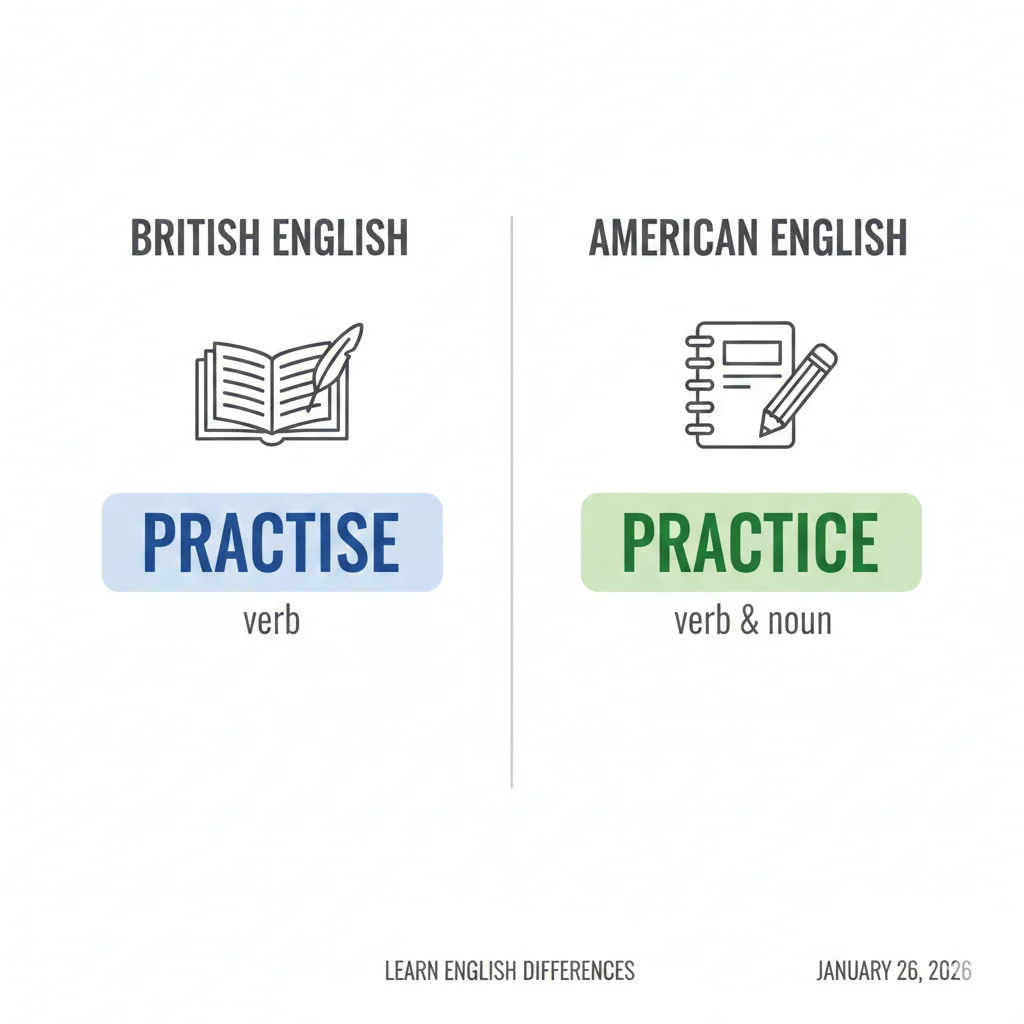
Examples:
- US: She practices yoga daily.
- UK: She practises yoga daily.
- Noun (both): Yoga practice improves focus.
This single rule answers most questions like “Is practice or practise?” and clears up common grammar errors fast.
The Origin of Practises / Practices
The words practice and practise come from the Greek word “praktikos”, meaning active or practical. Later, the word passed through Latin and Old French before entering English.
Originally, English used one spelling. Over time, British English developed a pattern where nouns and verbs were spelled differently—similar to advice/advise or license/licence. That’s why British English uses:
- Practice (noun)
- Practise (verb)
American English later simplified spelling rules. Noah Webster, a major influence on American dictionaries, preferred one spelling for clarity. As a result, American English uses practice for both forms.
This history explains why practises practices in English depends on location, not correctness.
British English vs American English Spelling
Here’s where most confusion lives.
Key Rules
- British English: Separate spellings
- American English: One spelling
Comparison Table
| Use | British English | American English |
|---|---|---|
| Noun | practice | practice |
| Verb | practise | practice |
| Example sentence | She practises law. | She practices law. |
| Plural noun | practices | practices |

This table also answers “What is the plural of practise?”
👉 Practise is a verb, so it has no plural.
👉 Practices is the plural noun.
Which Spelling Should You Use?
The correct choice depends on your audience.
Use “Practice” if:
- You write for a US audience
- You publish global content (blogs, SEO, marketing)
- You want a safe, universal option
Use “Practise” if:
- You write for the UK, Australia, New Zealand
- You follow British academic or legal standards
Professional Tip
For SEO and international readers, “practice” performs better globally, according to Google usage data. This matters for blogs, medical sites, and education platforms.
This advice helps with questions like:
- Does a nurse practice or practise?
- US: practice
- UK: practise
Common Mistakes with Practises / Practices
Here are the most frequent errors and how to fix them.
❌ Mistake 1: Using “practises” as a noun
- ❌ These are good practises.
- ✅ These are good practices.
❌ Mistake 2: Mixing US and UK rules
- ❌ She practises medicine in New York.
- ✅ She practices medicine in New York.
❌ Mistake 3: Confusing exam answers
- Remember:
- British exams care about noun vs verb
- American exams do not
Understanding practises practices grammar avoids these easy-to-miss errors.
Practises / Practices in Everyday Examples
Emails
- Please review our safety practices.
- Doctors practise new techniques regularly. (UK)
News
- The hospital updated its medical practices.
- Athletes practice daily before competition.
Social Media
- Daily dance practice makes progress!
- She practises mindfulness every morning.
Formal Writing
- Best practices improve workplace safety.
- Fitness to practice or practise is assessed yearly.

This section answers questions like:
- Dance practice or practise?
- Noun: practice
- Verb (UK): practise
Practises / Practices – Google Trends & Usage Data
Search data shows:
- “Practice” dominates globally
- “Practise” spikes in the UK and Australia
Usage by Country
- 🇺🇸 USA: practice
- 🇬🇧 UK: practice (noun), practise (verb)
- 🇨🇦 Canada: mixed but US-leaning
- 🌍 Global SEO: practice wins
Context Matters
- Medical, legal, education fields use practice more often
- Grammar searches focus on practice vs practise examples
Comparison Table: Practises vs Practices
| Word | Type | Region | Example |
|---|---|---|---|
| practice | Noun | US & UK | Medical practice |
| practice | Verb | US | She practices law |
| practise | Verb | UK | She practises law |
| practices | Plural noun | US & UK | Best practices |
FAQs: Practises / Practices Explained
1. Is practice or practise correct?
Both are correct. It depends on US or UK English.
2. What is the plural of practise?
There is none. Practise is a verb.
3. Does a nurse practice or practise?
US: practice
UK: practise
4. How do you spell best practices in the UK?
Still best practices (noun).
5. What is the practice meaning?
It means a habit, profession, or repeated action.
6. Is fitness to practice or practise correct?
- Noun phrase: practice
- Verb (UK): practise
7. Are practises practices examples different in exams?
Yes. UK exams test spelling accuracy more strictly.
Conclusion
The confusion between practises and practices comes from spelling rules—not from meaning. Once you understand the noun vs verb difference in British English and the simplified American rule, the problem disappears. For US and global audiences, practice is always safe. For UK writing, remember: practice is a noun, practise is a verb.
This article answered key questions like practice meaning, practice vs practise examples, and how do you spell best practices in the UK? You’ve seen real-world examples from emails, news, social media, and professional writing. You also learned why Google trends favor practice and how to avoid common grammar mistakes.
If your goal is clarity, correctness, and professionalism, choose the spelling that fits your audience—and stay consistent. Mastering this small detail makes your writing look polished, confident, and credible.
“Arthur Machen was a Welsh writer known for mystical, atmospheric horror and weird fiction, influencing generations of supernatural storytellers.”