Humbleness and humility are words people often hear but still find confusing. Many search online asking, “Is humbleness a word?”, “Is humbleness the same as humility?”, or “Which one is correct?” This confusion happens because both words look similar, sound similar, and share the same core meaning. Yet, they are not always used the same way in modern English.
People also search this keyword when writing essays, reading the Bible, preparing speeches, or trying to improve their character. Students look for a humbleness humility essay, believers search for humbleness humility in the Bible, and writers want to know which spelling sounds professional.
This article solves all those problems in one place. You’ll get a quick answer, deep meaning, real-life examples, Bible references, spelling rules, common mistakes, and usage advice for different audiences. Everything is written in simple language, clear examples, and practical tips—so by the end, you’ll know exactly how to use humbleness and humility with confidence.
Humbleness / Humility
Humility is the correct, widely accepted noun in modern English.
Humbleness is a real word, but it is less common and often considered old-fashioned.
Example:
- ✔️ She showed humility by admitting her mistake.
- ⚠️ She showed humbleness by admitting her mistake. (Correct, but less natural)
If you want safe, professional, and global usage—use humility.

The Origin of Humbleness / Humility
Both words come from the same root.
- Latin root: humilis – meaning low, grounded, modest
- Humility came through Old French (humilité)
- Humbleness formed later in English by adding -ness to humble
Why both exist
In older English, adding -ness to adjectives was common. That’s how humbleness appeared. Over time, English evolved, and humility became the preferred noun.
Why spelling differences exist
- Humility followed Latin and French influence
- Humbleness followed native English word-building rules
Today, dictionaries confirm:
- ✔️ Is humbleness an English word? → Yes
- ✔️ Is there a word like humbleness? → Yes
But humility is dominant in modern writing.
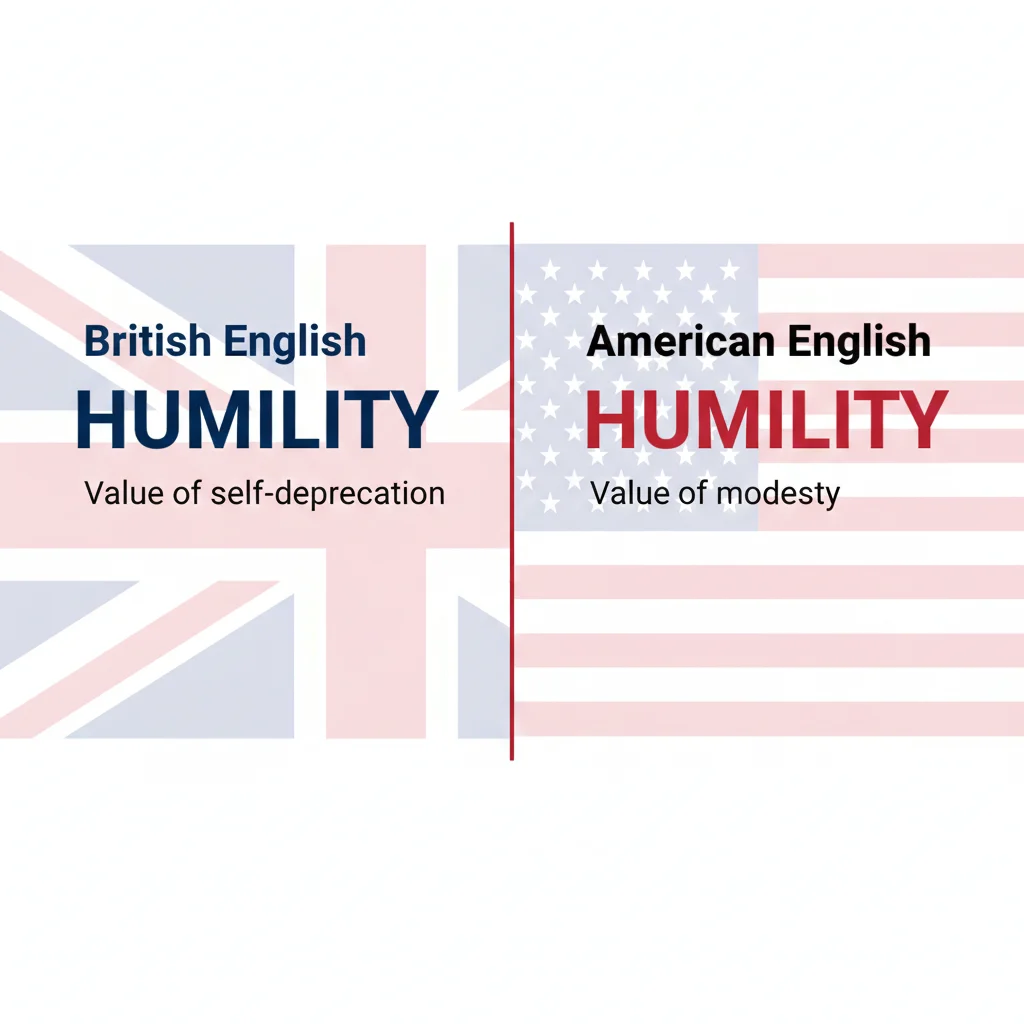
British English vs American English Spelling
This is not just a US vs UK issue—but usage strength differs.
| Feature | Humility | Humbleness |
|---|---|---|
| American English | Very common | Rare |
| British English | Very common | Rare |
| Academic writing | Preferred | Avoided |
| Religious texts | Common | Sometimes used |
| Modern usage | Strong | Weak |
Examples
- US: Leadership requires humility.
- UK: Humility is a valued trait.
- Older texts: He spoke with humbleness of heart.
Which Spelling Should You Use?
Choose based on your audience:
- US audience: Use humility
- UK / Commonwealth: Use humility
- Global or SEO content: Use humility
- Biblical or poetic tone: Humbleness may appear, but sparingly
Professional advice:
If you’re unsure, humility is always the safe choice.
Common Mistakes with Humbleness / Humility
Here are frequent errors people make:
- ❌ Is humility mean?
✔️ No. Humility means modesty, not weakness. - ❌ Using humbleness in formal essays
✔️ Use humility instead - ❌ Mixing humble (adjective) and humility (noun)
✔️ He is humble. / He shows humility. - ❌ Thinking humbleness is wrong
✔️ It’s correct—but uncommon
Humbleness / Humility in Everyday Examples
Emails
- Thank you for your feedback. I accept it with humility.
News
- The athlete spoke with humility after his victory.
Social Media
- Grateful and staying humble 🙏
Formal Writing
- Humility is a core value in ethical leadership.
Bible Usage
- Humbleness humility in the Bible is common in meaning.
- “Walk with all humility and gentleness.” (Ephesians 4:2)
- This is a classic humbleness humility Bible verse example.
- Humility vs humble Bible usage shows humble as action, humility as character.
Humbleness / Humility – Google Trends & Usage Data
Search trends show:
- Humility is searched far more globally
- High interest in:
- USA
- UK
- India
- Philippines
- Humbleness appears mostly in:
- Religious searches
- ESL queries like “Is humbleness an English word?”
Context matters:
- Education → Humility
- Religion → Both
- SEO & content → Humility
Keyword
| Term | Status | Usage Level |
|---|---|---|
| Humility | Standard | High |
| Humbleness | Correct | Low |
| Humble | Adjective | Very High |
| Modesty | Related | Medium |
FAQs About Humbleness / Humility
1. Is humbleness the same as humility?
Yes, in meaning. No, in usage strength.
2. Is humbleness a word?
Yes. It is an English word.
3. Is there a word like humbleness?
Yes, but it’s rarely used today.
4. Is humility mean?
No. Humility means modesty, respect, and awareness.
5. Which word is better for essays?
Humility.
6. Are humbleness and humility used in the Bible?
Yes. Both appear depending on translation.
7. Can I use humbleness in modern writing?
You can—but humility sounds more natural.
Conclusion
Humbleness and humility share the same heart—but not the same power in modern English. While humbleness is a real English word, humility is the clear winner in professional, academic, and global usage. Understanding this difference helps you write better essays, communicate clearly, and avoid common mistakes.
If you are writing a humbleness humility essay, preparing religious content, or working on SEO, humility gives clarity and trust. Bible readers may see both words, but meaning stays the same—modesty, respect, and grounded strength.
Remember:
- Use humility for confidence and correctness
- Know humbleness exists—but use it carefully
Mastering this small difference improves your language, credibility, and message.

“Elizabeth Gaskell was a Victorian novelist known for compassionate social realism, memorable characters, and classics like North and South and Cranford.”