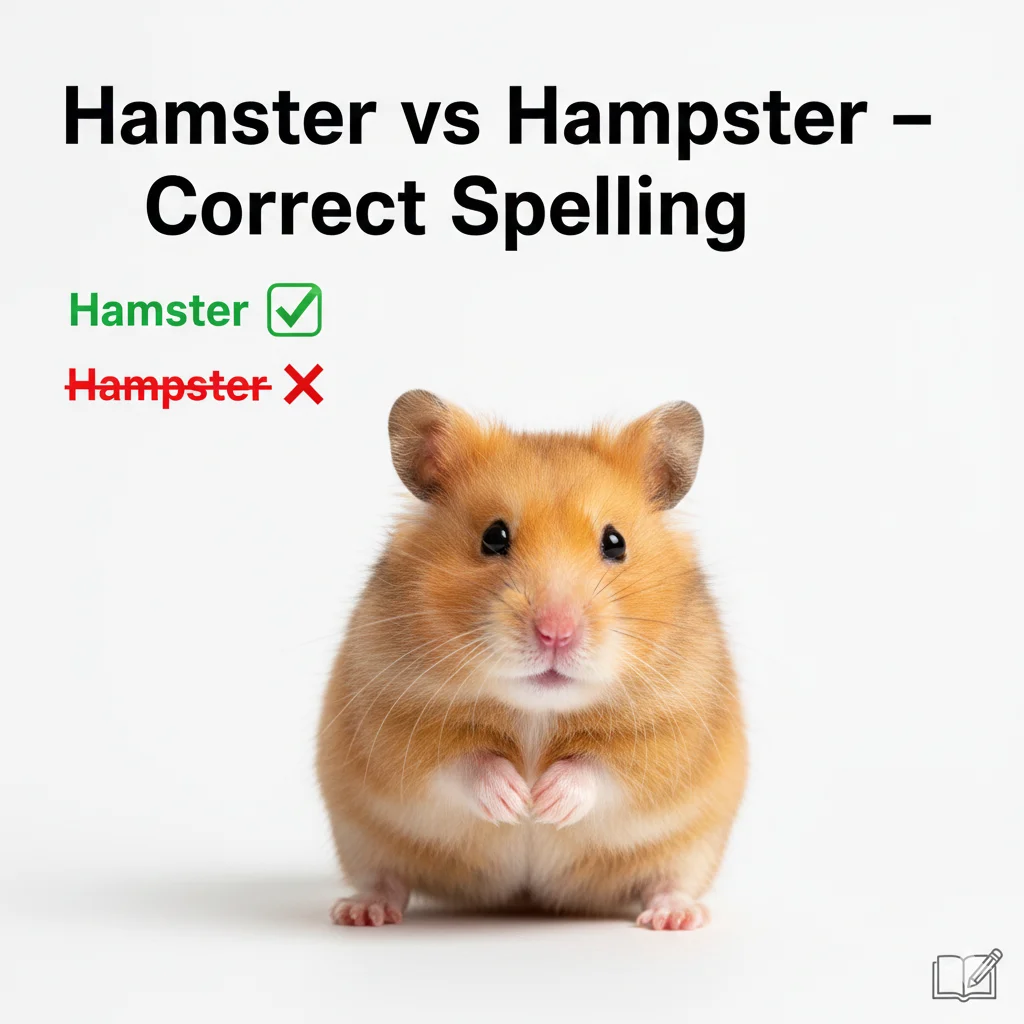


Have you ever typed “hampster” and wondered if it’s correct? You’re not alone! Many people make this common mistake every day. The correct spelling is hamster, without the “p.” That extra letter only comes from how some people pronounce it, but using hamster ensures you get accurate information, helpful pet tips, and the cutest hamster pictures online.
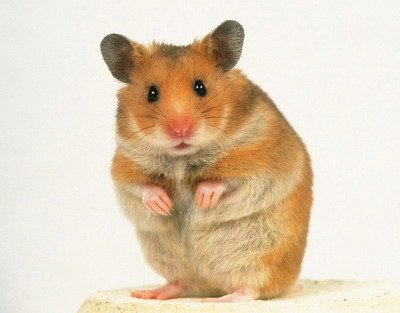
Hamsters are tiny, adorable rodents loved worldwide for their round bodies, soft fur, tiny paws, and funny cheek pouches that store food. 🐹 From Syrian to dwarf hamsters, these playful little pets are full of personality and easy to care for, making them perfect companions for kids and adults alike. Knowing the correct spelling will help you find proper care guides, fun facts, and advice to keep your little furry friend happy and healthy.
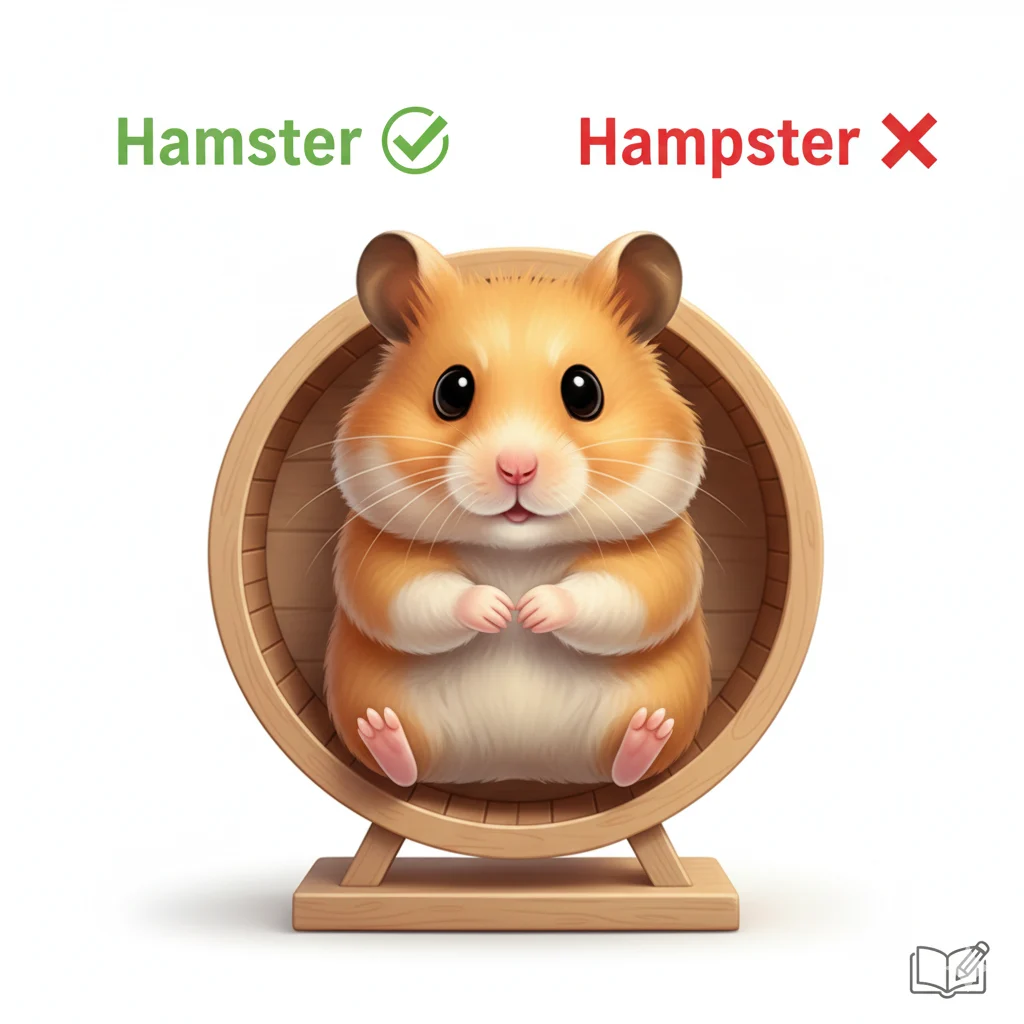
So here’s the simple rule you’ll never forget: Hamster = correct ✅ | Hampster = wrong ❌. Remember this, share it with friends, and impress everyone with your hamster knowledge! Tiny spelling mistakes happen, but now you’ll always get it right — and your hamster searches will never be wrong again.
Hamster or Hampster
The correct spelling is hamster.
“Hampster” is a common misspelling.
A hamster is a small mammal often kept as a pet.
The word hampster does not exist in dictionaries.
Examples:
- ✅ I bought a hamster for my daughter.
- ❌ My hampster sleeps all day.
Even though many people search for hampster, it is not correct in formal or professional writing.
The Origin of Hamster or Hampster
The word hamster comes from the German word “Hamster”, which itself comes from an older root meaning “to hoard.” This makes sense because hamsters store food in their cheek pouches.
So where did hampster come from?
It came from spoken English, not written English. When people say the word quickly, it often sounds like there is a “p” sound in the middle. Over time, that sound turned into a spelling mistake.
There is no historical record of “hampster” as a real word. It never appeared in early dictionaries or scientific texts. It exists today only because of repetition online.
So, to answer directly:
- What is a hampster?
→ It is a misspelling of hamster, nothing more.
British English vs American English Spelling
Unlike words such as colour/color or centre/center, hamster does not change between British and American English.
Key Point
- British English: hamster
- American English: hamster
- Australian, Canadian, global English: hamster
Comparison Table
| Region | Correct Spelling | Accepted? |
|---|---|---|
| United States | Hamster | ✅ Yes |
| United Kingdom | Hamster | ✅ Yes |
| Canada | Hamster | ✅ Yes |
| Australia | Hamster | ✅ Yes |
| Global English | Hamster | ✅ Yes |
| Any Region | Hampster | ❌ No |
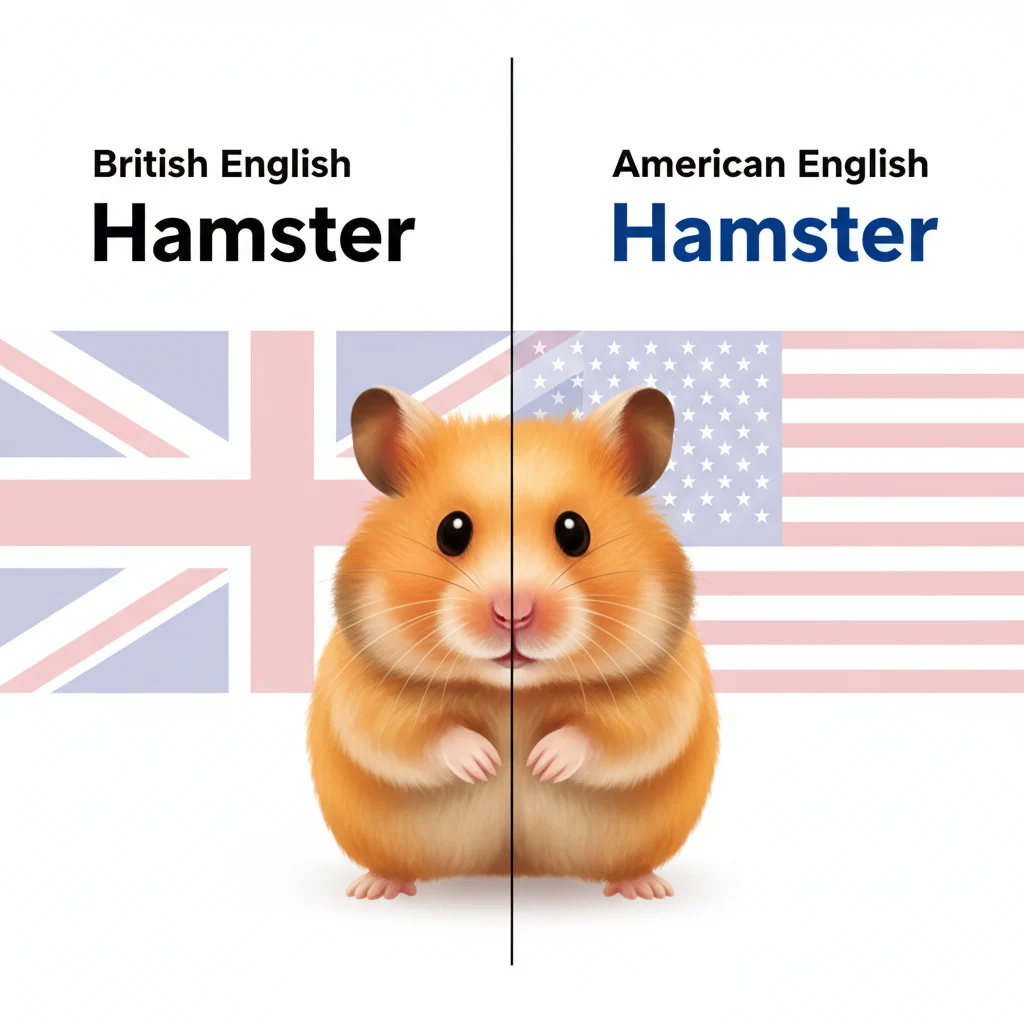
There is no English standard where hampster is correct.
Which Spelling Should You Use?
Your audience matters, but the answer stays the same.
- US audience: Use hamster
- UK or Commonwealth: Use hamster
- School or academic writing: Always hamster
- Blogs, SEO, or casual writing: Use hamster, but you may mention hampster once to address confusion
- Professional or formal writing: Never use hampster
SEO tip:
You can include hamster hampster naturally once to capture search intent—but always explain that hamster is correct.
Common Mistakes with Hamster or Hampster
Here are the most frequent errors people make:
1. Adding a “P” sound
- ❌ hampster
- ✅ hamster
2. Using both spellings in one article
This looks unprofessional and confuses readers.
3. Using “hampster” in formal writing
Avoid this in emails, schoolwork, or news articles.
4. Assuming it’s a regional spelling
It is not.
Correction tip:
If you can replace the word with small pet mammal, it should always be hamster.
Hamster Hampster in Everyday Examples
Emails
- ✅ “Our hamster needs a new cage.”
- ❌ “Our hampster escaped.”
News Articles
- ✅ “The hamster population is increasing in urban homes.”
Social Media
- Casual posts may show hampster, but correct posts use hamster.
Formal Writing
- ✅ “The hamster is a nocturnal mammal.”

Hamster Hampster – Google Trends & Usage Data
Search engines show that hamster is searched far more often than hampster. However, hampster still appears because:
- Children search it
- New pet owners spell it by sound
- Social media spreads misspellings fast
Popularity by Context
- Pet care & science: Hamster
- Casual searches: Hampster appears
- Education & EEAT content: Hamster only
Google’s algorithm favors correct spelling in trusted content. Using hamster improves clarity, trust, and ranking.
Keyword Variations Comparison Table
| Term | Meaning | Correct? |
|---|---|---|
| Hamster | Small pet mammal | ✅ Yes |
| Hampster | Misspelling | ❌ No |
| Hamsters | Plural | ✅ Yes |
| Hampsters | Misspelling | ❌ No |
FAQs About Hamster Hampster
1. What is a hampster?
A hampster is not a real word. It is a common misspelling of hamster.
2. Is a hampster a mammal?
The correct term is hamster, and yes—a hamster is a mammal. It has fur, gives live birth, and nurses its young.
3. Is hamster a mouse or rabbit?
A hamster is neither a mouse nor a rabbit.
It is a rodent, like mice and rats, but it is not a rabbit.
4. Do hamsters play with each other ͡ ͜ʖ ͡
Most hamsters do not like to play together. They are usually solitary and may fight if housed together.
5. Why do people spell hamster as hampster?
Because of pronunciation. The extra “p” sound is heard but not written.
6. Is hampster ever correct in slang?
No. Even in slang, it is considered a spelling error.
7. Should I use hampster for SEO?
You can mention it once to address confusion, but always use hamster as the main word.
Conclusion
The hamster hampster confusion is simple once you understand it. The correct spelling is hamster, and it has always been that way. The word comes from German, not from English pronunciation habits. While hampster appears online, it is only a mistake—not a variation.
No matter where you live, what you are writing, or who your audience is, hamster is the safe and professional choice. Using the correct spelling improves clarity, trust, and search performance. It also helps readers—especially children and new pet owners—learn the right word from the start.
If you remember just one thing, remember this:
If it runs on a wheel and stores food in its cheeks, it’s a hamster—not a hampster.

“Rose Tremain is an acclaimed British novelist known for richly imagined historical and contemporary fiction, praised for depth, emotion, and elegant storytelling.”