English learners and even native speakers often pause at one small but tricky choice: for or to. It looks simple, yet it causes a lot of confusion. People search “when use for or to?”, “what is better, to or for?”, and “what is the correct preposition for to?” because both words appear in similar sentences but mean different things.
The confusion happens because for and to are both prepositions, but they do very different jobs. One shows purpose or benefit, while the other shows direction, action, or movement. A small mistake can change the meaning of a sentence or make it sound unnatural.
This guide clears that confusion once and for all. You’ll get a quick answer, real examples, grammar rules, and clear comparisons. We’ll also explain the origin, British vs American usage, common mistakes, and how Google Trends shows real-world usage. Whether you are writing emails, social posts, or formal content, this article helps you choose the right word with confidence.
For or To Meanings
Use to when showing direction, action, or movement.
Use for when showing purpose, benefit, or reason.

Examples
- I went to the store. (direction)
- This gift is for you. (benefit)
- She wants to learn English. (action)
- This class is for beginners. (purpose)
Difference between to and for examples often depend on why or where something happens.
The Origin of For and To
The word to comes from Old English tō, meaning direction or movement.
The word for comes from Old English for, meaning benefit, cause, or purpose.
Over time, English grammar kept both words but gave them separate roles. That’s why spelling differences don’t exist here, but usage rules do. Understanding this history helps explain why for to grammar still confuses learners today.
British English vs American English Spelling
There is no spelling difference between British and American English for for and to.
The difference is in style and sentence preference, not spelling.
| Context | British English | American English |
|---|---|---|
| Purpose | This is for learning | This is for learning |
| Action | Ready to start | Ready to start |
| Formal tone | Slightly more flexible | More direct |
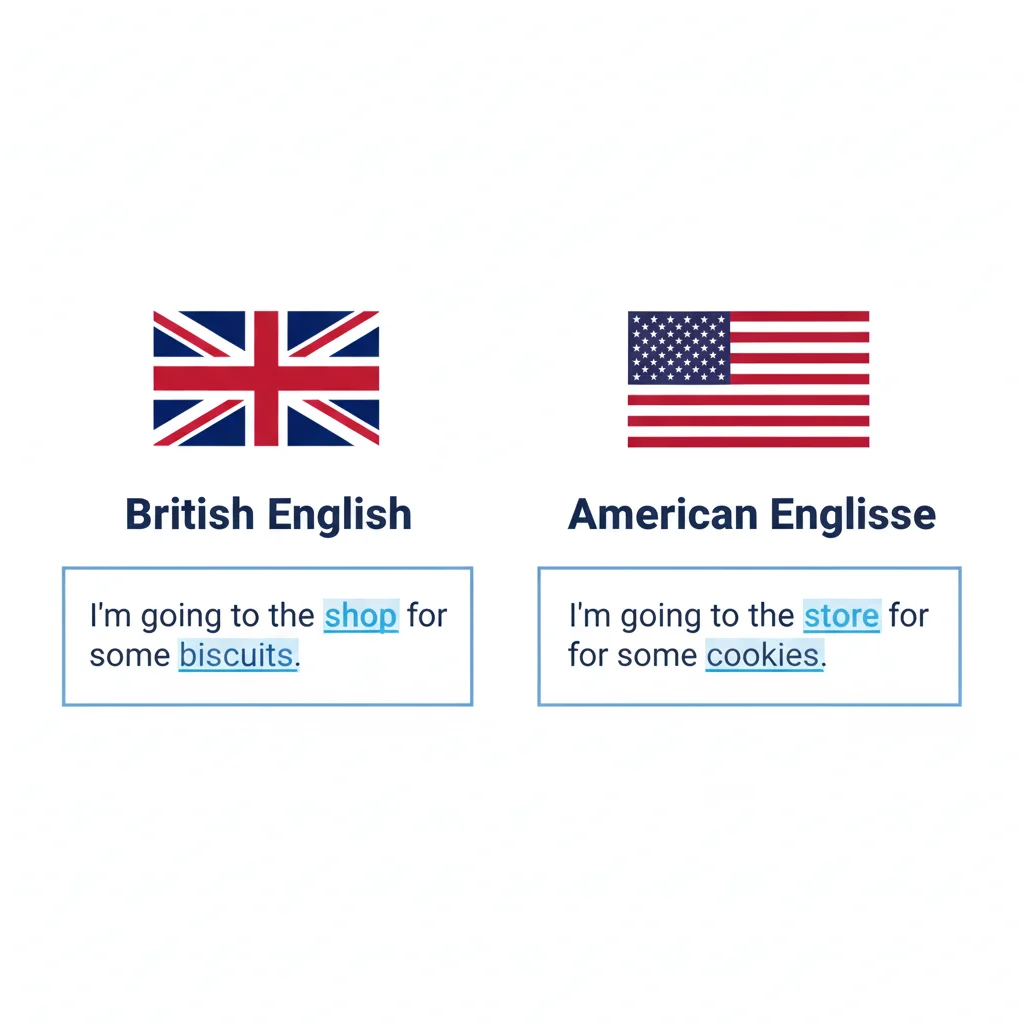
Both follow the same grammar rules.
Which Spelling Should You Use?
Since there is no spelling difference, focus on audience and clarity.
- US audience → Use standard grammar rules clearly
- UK / Commonwealth → Same rules apply
- Global audience → Keep sentences short and simple
If the sentence shows action, choose to.
If it shows benefit or purpose, choose for.
Common Mistakes with For or To
❌ Incorrect → ✅ Correct
- I explained to him the rules → I explained the rules to him
- This is to you → This is for you
- She went for study → She went to study
For to grammar mistakes usually happen when people mix purpose and action.
For or To in Everyday Examples

Emails
- This document is for review.
- I would like to confirm the meeting.
News
- Funds allocated for education
- Leaders meet to discuss policy
Social Media
- This post is for you
- Happy to announce our launch
Formal Writing
- A tool designed for professionals
- Measures introduced to reduce risk
For or To – Google Trends & Usage Data
Google Trends shows “to” is more common worldwide because it’s used in actions and verbs.
“For” spikes in searches related to gifts, reasons, and benefits.
- To → verbs, goals, movement
- For → purpose, audience, advantage
This explains why people often search “what is the grammar rule for to?” and “for to meaning” together.
Comparison Table – For vs To
| Feature | For | To |
|---|---|---|
| Purpose | Yes | No |
| Direction | No | Yes |
| Action (verb) | No | Yes |
| Benefit | Yes | No |
| Example | A gift for you | Go to work |
FAQs – For or To
1. When use for or to?
Use to for actions and direction. Use for for purpose and benefit.
2. What is better, to or for?
Neither is better. It depends on meaning.
3. What is the grammar rule for to?
To comes before verbs to show action or intent.
4. What is the correct preposition for to?
To itself is a preposition showing movement or direction.
5. What does “for to” mean?
For to is outdated but appears in old or dialect English.
6. Can I replace for with to?
Only if the meaning stays the same. Often, it does not.
7. Is “for to say” correct?
No. Correct form is to say.
Conclusion
Choosing between for or to becomes easy once you understand the core rule. To shows action, movement, or intent. For shows purpose, reason, or benefit. Most mistakes happen when writers focus on sound instead of meaning.
If the sentence answers “why?”, use for.
If it answers “where?” or “what action?”, use to.
There is no spelling difference between British and American English, so your focus should always be clarity and audience understanding. Real-world usage, Google Trends data, and grammar rules all point to the same conclusion: meaning matters more than habit.
Mastering for vs to improves emails, content writing, exams, and professional communication. Once you apply these simple rules, your English will sound more natural, confident, and correct.
“Arthur Machen was a Welsh writer known for mystical, atmospheric horror and weird fiction, influencing generations of supernatural storytellers.”